I’m focusing my writing these days on getting the first draft of my book – Going East: An unconventional bike ride across Canada finished.
I’ve started providing updates over at my Going East Blog – and ask that you follow me over there rather than here if you want to see my updates.
My first post is: Going East Book Report 1 where I share my contemplations on one book versus two and ask the questions: Would you buy one of my books? or both of my books? If you were to only buy one, which one would it be?
My in my second post I share about my new project creating YouTube shorts about my trip. I ask the questions: I’m curious what you think of this method of short form storytelling? Do you find the snipits interesting?
Following me on my blog and on YouTube are two ways you can help support my writing. Leaving comments and likes on posts are another way to show engagement. This engagement will help me find a publisher for my books.
It all started with me contemplating an audio book version of Never Knew I Wanted to be a Breast Cancer Survivor. The challenge was that the book was not written to be read aloud. Plus, it was written before my second diagnosis. I struggled when I tried just reading it as it is.
I’ve also been podcasting for a few years now. In December I started a new podcast – Definitely Not Famous: More Extra than Ordinary – where I interview memoirists about their books. It has been a lot of fun and I’ve learned a lot about writing and the writing life throughout the process.
What it also made me realize is that I’m much more comfortable doing a podcast than I am doing an audio version of my book. So I did it, I launched a new podcast with the same name as the book.
Never Knew I Wanted to Be a Breast Cancer Survivor, is a candid, story‑driven podcast where I share my experience of navigating a life‑changing diagnosis while searching for who I was, who I was becoming, and who am I today.
Three weeks after moving to California in 2014—with no family history or warning signs—I found myself thrown into the American healthcare system as a Canadian, a PhD student with a project going nowhere, while wrestling with my identity. This show is where I unpack those moments: the fear, the absurdity, and the learning curves.
In 2023, I was diagnosed with regional recurrence of breast cancer—this time while living in a small town in Nova Scotia Canada. My experiences could not be more different from my initial diagnosis, and yet, I felt like I was in the right place at the right time.
As I tell my story, I share how I actively developed my own health literacy. Each episode explores not just what happened, but what I learned about the medical system, patient advocacy, and making sense of the firehose of information I was receiving. Whether you’re a patient, a caregiver, or simply someone who loves real life stories, this podcast offers insight, honesty, and sometimes humour in the absurdity that is breast cancer treatment and its aftermath.
It is an interweaving of the two stories. I don’t yet know where the stories will lead, as I’m sharing them as I write them. I’m aiming for around 10 minutes per episode, with very short intros and outros. Every fifth episode I’ll do a blog post and have a longer outro that asks for subscriptions or other supports for the podcast.
Episode 1 – It’s probably nothing but …
After a long bike ride, celebrating the unpacking of the very last box, I step into the shower in my new home in Santa Clara, California. After a year of back-and-forth, I’m finally living with my husband again. It’s been a long year, and I’m so happy to be home.
And then I feel it — a hard spot on my left pec.
It must be a muscle strain… only it doesn’t hurt, which is odd.
Each day after my shower, I check again.
Still there.
On June 9, 2014, I walk into my doctor’s office saying, “It’s probably nothing, but…”
Episode 2 – What should I hope for?
I struggle with my identity.
Who am I now?
Who do I want to be?
While I await the biopsy and other test results, I find myself uncertain and wondering – what should I be hoping for? If you are going to have breast cancer, the next question is, what kind of breast cancer?
Episode 3 – Before Knowing
I can logically think about what I want, and how this might play out, but I cannot emotionally prepare. I have no idea where to begin with the emotional side of this decision. How does one prepare to lose a body part?
As Scott and I walk around Sausalito, I find myself looking at other women’s breasts. I never really noticed other women’s breasts before, but now I am drawn to them and keep looking.
I’m not even sure what I’m thinking when I’m looking. I laugh, then swallow tears. Prosthetics or not, I am window shopping.
Episode 4 – Waiting to prepare
For the future, I’m wondering how much I should prepare so that I can pick up where I left off?
Should I set up something that just keeps going while I’m away?
And what do I just let go?
When I first heard that I had cancer, I had friends that I reach out to. These friends put me in touch with other friends – all helping to form a network of support. In times of crisis, we discover the true power of being part of networked communities.
Time is my biggest challenge right now. Things are moving so very quickly as I manage many different appointments, phone calls, blog posts, notifications, and minutiae.
Episode 5 – When planning meets uncertainty
I’ve learned that statistics only mean something before you get a diagnosis. They provide hope (e.g. 80% of breast cancers are HER2 negative), but they mean nothing once you receive the diagnosis. It is no longer relevant what the statistics are, like 1 in 8 women will get breast cancer in their lifetime or that a certain percentage of breast cancers are hormone positive. Both cancers are positive.
Statistics only matter for the unknown future, not the known present.
I’m scared. I’ve gone through many scares over the last 8 and a half years. That is how long it has been since the last of the known cancer was removed from my body. That is how long I’ve been in remission.
I have a mantra for when I’m scared – In the absence of a diagnosis, I am healthy.
Except this scare is different. This scar involved suspicious lymph nodes and an ultrasound guided biopsy.
My Ask
Would you be interested in being a beta listener? A beta listener is someone who listens to an episode before it goes love on podcast. I’m looking for someone who can listen and let me know if anything needs fixing before it goes live. Each episode is about 8-12 minutes. If this interests you, please fill in this form to reach me.
My second ask it to help support the podcast financially. I’m not asking for big donations. I’m looking for $3 per month via the Patreon app. This app allows you to support me as an Artist. Your support is amplified as it gives me a greater opportunity to access grants. Your $3 per month makes a difference!
I’m launching a new podcast. This is a fully narrative podcast where I tell my story of breast cancer survivorship. The stories interweave chapters from my book with reflections on my second time around, and where I am the day I’m writing the script!
You can follow it here or wherever you get your podcasts.
My Ask
Would you be interested in being a beta listener? A beta listener is someone who listens to an episode before it goes love on podcast. I’m looking for someone who can listen and let me know if anything needs fixing before it goes live. Each episode is about 8-12 minutes. If this interests you, please fill in this form to reach me.
My second ask it to help support the podcast financially. I’m not asking for big donations. I’m looking for $3 per month via the Patreon app. This app allows you to support me as an Artist. Your support is amplified as it gives me a greater opportunity to access grants. Your $3 per month makes a difference!
Living in the US, I learned to advocate for my own healthcare. Support groups helped me know what questions to ask. They helped me when I had odd symptoms and couldn’t reach my doctor. They helped me know what was normal and what needed urgent attention.
In Canada, I don’t have the same level of contact with a support group, but I have found one. When I moved here, searched for one. I wanted to stay connected in some way in case I needed it. The group I found is focused on an annual retreat; however, it gives me a place to ask questions and find out what care is available in the city, as I now live in a small town.
I’ve been having an issue with unexplained swelling, for a year now! We have ruled out cancer and heart problems. The only explanation I have is lymphedema. However, the only lymphedema care we have locally is for manual lymphatic drainage, a special type of massage. The challenge is that I have swelling in multiple places, so it is unclear where the massage therapist should be directing fluid for best effect. Also some kind of compression garment is needed to help prevent it from re-swelling after the treatment. The place where you go to buy the specialized compression needs specific directions (a prescription) on what is required. So, I need to see a specialist. That is where the challenge lies.
No amount of Google searching was helping me find the right specialist. I asked the support group. It didn’t take long. I had several people make suggestions. Within a couple of hours, I had a name and phone number.
I called, and the receptionist gave me the information I needed. She told me who I needed to be referred to and the fax number for the referral (yes we still use fax referrals here). My next step is to go to my family doctor (I’m lucky to have one, if I didn’t I’d need to access virtual care) and have him send in the referral.
I’m fortunate that I learned to advocate for myself. I am fortunate to have a family doctor, but he is not a panacea. He doesn’t know all the obscure ins-and-outs of cancer care in this province. Sometimes tapping in to the patient network is the fasted way to get care.
The eBook version of my book Never knew I wanted to be a breast cancer survivor, will be free to download on Amazon today (Thursday) and tomorrow (Friday). Also, if you are Kindle Unlimited, you can read it anytime for free.
If you read it, I ask that you please, please, pretty please, leave an honest review on Amazon or Goodreads or both. Reviews make a significant difference in searchability, and really help other people find the book.
When you are certain, you can easily be triggered.
When you are certain, you can be wrong.
I was certain.
I was triggered by a statement from my oncologist’s office. The nurse called me on Friday to remind me of a telephone appointment on the Tuesday. I replied with, yes, I know, I will get my CT results. She then said, “Yes, I see that. Have a good weekend”.
I was certain.
I read into her “have a good weekend” a tone that concerned me. I was sure she was telling me to have a good weekend because after the weekend my whole world was going to change.
I was certain.
I was triggered by a visioning activity, when I was asked envision what the community would be doing in five years time. What went through my mind was that they would be helping my husband grieve. I visualized him and my puppy helping each other — helping them learn to live without me — and how my puppy would not understand what was happening. It still brings tears to my eyes.
I was certain.
The phone rang. My oncologist gave me the news. The scans were clear. But what about the symptoms? We can do a couple more tests, but the scans are clear. There is no sign of the cancer having returned.
I was certain, but I was wrong. Now what?
I remember the last time I felt so certain the cancer had returned. It was back in 2019. I remember going on vacation and then doing a PET/CT upon returning home. I remember waiting for the phone call, and being completely shocked that it came back clear.
It is not a wave that suddenly releases. It takes time to unwind the tension and decompress from the stress. It takes time to figure out what now?
I was so certain.
Back then, I wrote “I remind myself, the scans are clear. It is not cancer. Hopefully soon I will believe it.”
I have a knot in my stomach. I’m scared. I feel like an impostor. Will the water be too cold? Can I get back on the board in deep water? These thoughts are running through my mind as I prepare to leave.
I have been paddleboarding for years. I bought a Stand up paddleboard (SUP) during Covid. Unfortunately, I ended up working a lot then had a recurrence of cancer. Physical limitations and inability to plan meant no paddleboarding.
This year started out well. I was stronger than before. The first time out, I paddled the entire length of Wiles Lake without needing to sit down. That gave me the confidence to sign up for the advanced level course. It sounded like a good idea at the time.
I’m anxious about my ability to get back on the board, especially with my chronic back pain acting up. I’m nervous that the other people in the course will be athletic and beyond my ability.
But, I’m going to do it. I know that I need to push myself outside of my comfort zone in order to improve. I have given myself permission to leave the course mid-way through if it isn’t working for me. If my back is at risk of injury, I will stop and come home. Giving myself that permission is what I need in order to be OK with going forward.
I leave half an hour early, hoping to talk to the instructor in advance and let him know about my concerns. When I arrive, there is no sign of activity in the store front. I go down to the water and test the temperature — nice and warm. Unfortunately, I messed up the timing. The class was this morning. I missed it!
I could go out on the ocean at LaHave Islands, but I’m nervous about paddling in unfamiliar waters alone. Instead, I take as a sign that it wasn’t meant to be. I decide to drive over to Fancy Lake and paddle in more familiar waters.
The lake is as smooth as glass and is empty. Since I’m paddling alone, I don my personal flotation device (PFD) and board leash. I attach my Crocs to the front of my board, so I can always swim to shore if I’m not able to hop back on after a fall.
After 20 peaceful minutes paddling, a guy takes out a Jet-ski and tows kids on a tube. They pass on the far side of the lake. I turn into the wake and have some fun bouncing over the artificial waves. He returns and again gives me lots of space. On his final pass, he loops around me, closer, causing confused water. Then he slows down causing a huge wake. I turn into the largest wave, but it is too big. I put my paddle in the water. As I complete the stroke and lift the paddle I go flying.
I think, no big deal. The water is warm and I wanted to practice getting back on the board anyways.
First, I try with my PFD and leash on. I kick to get up but only get partway. I cannot get enough of my core onto the board, so when I try to lift my leg the board tips.
Next I decide to try and make a paddle float, like I learned during a kayak self-rescue course. I tuck my paddle it into the straps at a right angle. I try and try again, but still cannot get on.
Then one of my Crocs starts to float away – oops. I grab it and tuck it in more solidly under the straps. This extra effort saps my limited energy.
I cannot get enough kicking power. The paddle leash is getting in the way. I remove the leash and try again. I’m getting higher up on the board, but I’m getting stuck on my PFD.
I’m tiring. I remove my PFD and hook it to the board. I don’t have many attempts left in me before I need to give up and swim to shore.
Fortunately, this attempt works and I’m able to get back on. This is exactly what I was afraid would happen during the course.
Glad to be back on the board, I paddle a bit while sitting, then eventually stand up again. I stay close enough to shore that I can swim in if needed. Just outside the swimming area, I jump off the board to try again.
I start by removing the leash and my PFD. I try a variety of configurations — PFD as float for my thighs, PFD as paddle weight, Crocs as foot buoyancy — none of them work. I run out of ideas and energy. I swim back to shore towing the board behind me, promising myself I’ll watch a few SUP YouTube videos when I get home. I really need to figure out self-rescue.
I learn a couple of things from YouTube. First, I need a longer leash. My leash should be as long as the board. My current leash is only half that length. I also learn of another technique which involves using a rope connected to the handle that acts as a stirrup, like getting on a horse. In theory, that would give more force when jumping up onto the board, allowing me to more of me on the board before trying to swing my leg up.
Now I have to try again.
The next day, I hop on the board, ever hopeful. The water is warm on my feet as I get myself organized. I clip on the dry bag with my keys and my water bottle. I check that the new stirrup strap is attached to the carry handle. I awkwardly, as always, sit on the board and remove my Crocs. This time, I use a carabiner to attach them. I don’t want a repeat of them floating off!
I slowly paddle out to deeper water, now is the time to test out my stirrup. While still sitting on the board, I lean back and fall into the water with a splash. The water is warmer than a swimming pool and feels wonderful on my skin. I love being in the lake at this time of year.
First I try the stirrup while still wearing my PFD and leash, but the leash is so short it makes it impossible. I remove the leash and try again. Nope.
Since the stirrup doesn’t work, I use it to make my leash longer. When I try this time, I feel the extra power in my kick, but my PFD still gets in the way. I remove it, and finally I get back on the board.
Success. Yay.
I hear the call of a loon. I see a couple of them in the middle of the lake. This is my signal to go out for a paddle. I stand up and wobble a little, keeping my knees soft. As I take the first few strokes I notice the board is sluggish. As I paddle out towards the loons I notice that my board is sagging in the middle, a clear sign that it is under-inflated. I return to shore and pump up the board.
With the board fully inflated and a longer leash, I try again. I succeed.
I still struggle with the idea of paddling on my own. It has been ingrained in me from a young age that it is unsafe. However, I really enjoy it. If something happens and I die, I know that I will die doing something that I love.
I feel a sense of relief to have figured out self-rescue. I can now confidently paddle alone. As I paddle, an eagle flies directly over me, congratulating me. Telling me, you got this!
Me: I’m having swelling in my core and thighs, specifically in the areas where I had liposuction…
Six months later, after doing a bunch of tests to rule out seriously scary stuff (no signs of anything serious)…
Me: Since my swelling is mostly in the areas where I had liposuction, I think a referral to a plastic surgeon would be a good next step.
Dr.: You’ll need to go to a private clinic for that.
Me: No, sorry, the liposuction was part of my breast reconstruction surgery. This might be a long-term side effect of that reconstruction. I’m asking for a referral to a specific surgeon at the cancer centre who is familiar with the type of microsurgery I had in California.
We sit together as he completes the referral form – me giving him all the key information the surgeon will need: the specific type of surgery I had, the timing, and a brief history of my original and second cancer diagnoses.
Since I don’t have active cancer, I will be lower on the list to see the surgeon, but I did see that the referral went through both the general plastics system and was forwarded to the specific surgeon I had identified. Now I wait.
How did I find the surgeon? I doubted my family doctor would know who the right plastic surgeon was – why would he? My oncologist would know, but I don’t have an appointment for another month. I started with the Dalhousie School of Medicine website, looking for surgeons who specialize in microsurgery and breast reconstruction. Then, I reached out to a network of breast cancer survivors in the province – the closest thing I have to a local support group. I asked them: who does flap reconstruction in Halifax? I was given a few names, which amazed me, but one stood out. That’s the surgeon I asked to be referred to. Now, I wait and see.
Part of why I wanted to share this story is that my doctor assumed, from the start, that the liposuction I had was purely cosmetic. I find that odd because there’s no mention of such a procedure in my medical record.
I have a very good family doctor. I’m lucky to have one, and even more fortunate that he’s someone I trust. He was the reason my breast cancer recurrence was found before it became metastatic. I’m also aware of the limits to what I can expect him to know. This just wasn’t something I expected. I didn’t expect him to make that assumption.
His misunderstanding is cultural. He likely assumed it was cosmetic because I struggle with weight, because I lived in California, and because I talk about surgery like it’s no big deal. He assumed the liposuction was for looks.
Spending time with friends and support groups in California normalized the idea of breast reconstruction for me. I don’t think of it as unusual. I talk about it casually, as if it’s an everyday thing, because it was part of everyday life where I lived.
But I need to remember – even though I had plastic surgery in California, it wasn’t stereotypical plastic surgery. I learned that plastic surgeons do important work in cancer care. Hollywood and TV have linked plastic surgery to cosmetic procedures, but in reality, it’s a critical part of cancer treatment.
I need to remember that for most people, surgery is a big deal. For most people, liposuction equals cosmetic surgery. Invasive procedures are significant. Most people in my life aren’t professional cancer patients. That’s my reality check for today!
This is a story written base on reflections my initial year after diagnosis (2016), with added comments about what I’m thinking after my second diagnosis (2024).
Like my stories? Please subscribe.
~~~~~ 2016 ~~~~~
Words matter. Certain words sting, and one of them is “prevention.” Why? Because “prevention” suggests we know the cause of something and have the power to stop it. For me, that word lands heavy, almost accusatory. It’s like an unspoken judgment: You didn’t prevent this, so maybe you’re to blame.
I stumble across another concept: healthy privilege. It’s the idea that if you’ve never faced a serious illness—or cared for someone who has—you can’t fully understand what it’s like. I’m drawn to the explanations I find, especially the Spoon Theory, which perfectly captures the daily toll of limited energy.
The Spoon Theory, created by Christine Miserandino, is a metaphor for the energy it takes to get through the day when you live with chronic illness or limited health. Imagine starting your day with a set number of spoons—each representing a unit of energy. Every task costs a spoon: getting out of bed, making breakfast, answering an email. Unlike someone who is healthy, you don’t have an unlimited supply. Once your spoons are gone, you’re done. There’s no borrowing from tomorrow. For those of us who’ve lost healthy privilege, every choice, every activity is a calculation: Do I spend my last spoons folding laundry, or do I save them for dinner with my family?
Before cancer, I didn’t understand what it meant to always be living with a limited number of spoons on a given day.
Healthy privilege and “prevention” collide in my mind. That word—“prevention”—feels like something healthy people cling to for security. For them, it’s a comforting thought: “If I do everything right, I’ll stay safe.” But for those of us who’ve been through illness, the word loses its comfort. It can feel like a weapon. It carries an undertone of blame, a suggestion that maybe we failed.
Take breast cancer, for example. The phrase “preventing recurrence” pops up all the time in discussions. Yet it’s misleading. The truth is, we don’t know what causes breast cancer to return. We can take steps to lower the risk, but we can’t eliminate it.
People who eat the “right” foods, exercise daily, and follow every medical recommendation still get breast cancer. Some progress to stage IV despite doing everything they’re told. Healthy choices may correlate with a lower risk of recurrence, but correlation isn’t causation. Just because something’s linked to a reduced likelihood doesn’t mean it prevents cancer.
~~~~~ 2024 ~~~~~
Since my recurrence, I’ve already done everything within my power to reduce the chances of the cancer coming back. The surgery removed the cancer, and the chemotherapy and immunotherapy—Herceptin—were steps to lower the risk further. Yet, I know that lowering risk isn’t the same as preventing recurrence.
My cancer was triple positive, meaning it was driven by HER2, oestrogen, and progesterone. Because of this, my treatment plan doesn’t end with chemotherapy. My next step is hormone therapy, which targets the hormones that fuel the cancer’s growth. In hormone receptor-positive cancers like mine, oestrogen and progesterone can act like fuel for tumour cells. Hormone therapy works by either blocking the hormones from attaching to cancer cells or reducing the body’s ability to produce these hormones altogether.
For me, this means trying Letrozole, an aromatase inhibitor. Unlike tamoxifen, which blocks oestrogen receptors, Letrozole stops the production of oestrogen by inhibiting an enzyme called aromatase. Aromatase converts androgens into oestrogen, especially in postmenopausal women. By shutting down this process, Letrozole creates a hormone-starved environment where cancer cells have less chance to grow or return.
Starting in January, after giving my body a few months to recover from chemotherapy and Herceptin, I’ll begin taking Letrozole. The plan is to stay on it for five years—if I can tolerate it. That’s the key: I’ll continue only if it doesn’t significantly impact my quality of life. Hormone therapy often comes with side effects, including joint pain, fatigue, and hot flashes, and it’s important to weigh these effects against the benefits. My goal is not just to live longer but to live well.
This recurrence does not mean I failed. It’s taken time to internalize this truth. The treatments I underwent before failed me—I didn’t fail them. I am not the one to blame for the cancer coming back.
This is a story written base on reflections my initial year after diagnosis (2016), with added comments about what I’m thinking after my second diagnosis (2024).
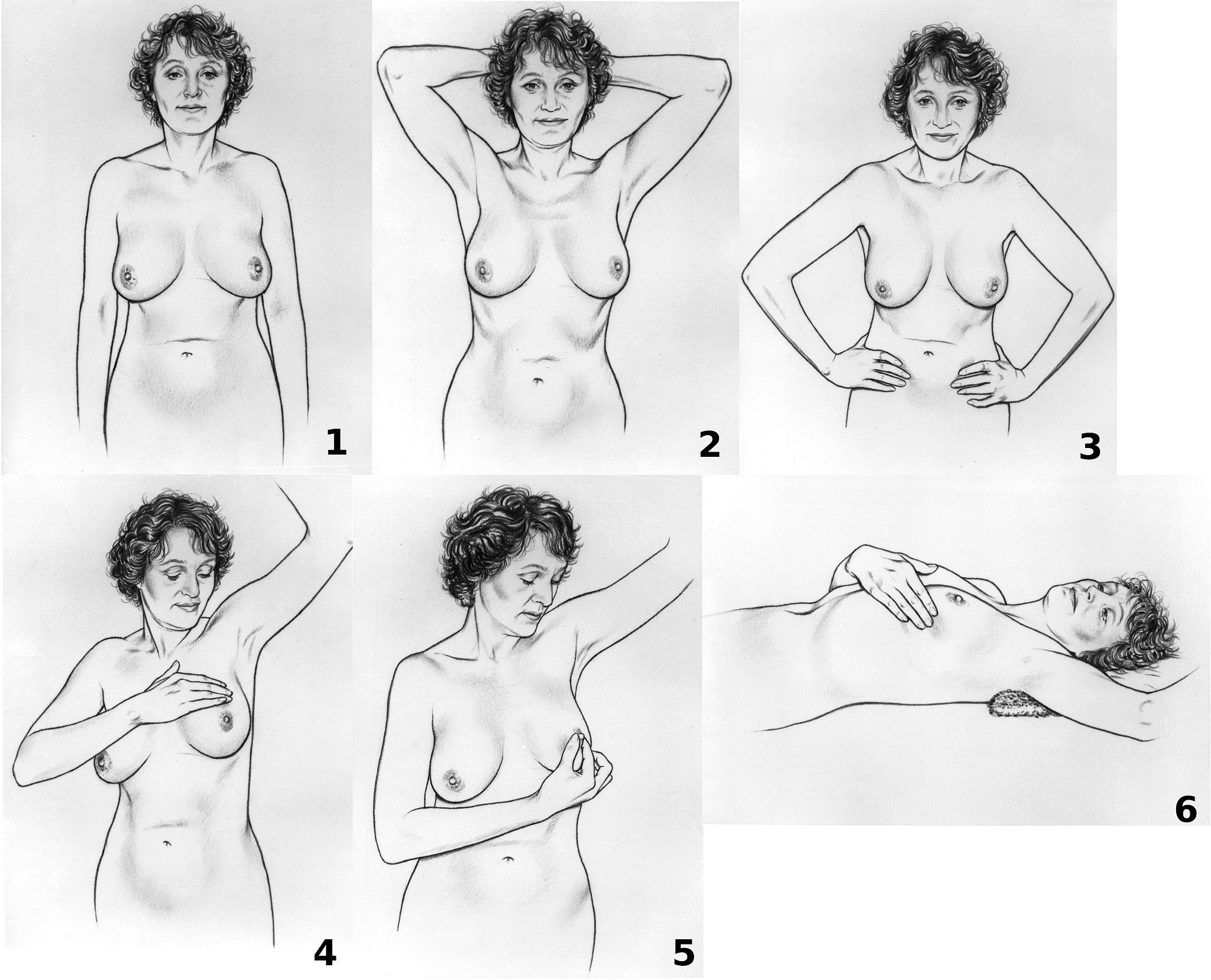
Before my first diagnosis, I was obsessive about breast self-exams. Every time I showered, I would check, feeling each part carefully. It was just part of my routine—not because I had any family history of cancer, but because of a high school health class. The nurse had brought in these dummy breasts with a “lump” we were supposed to find. I remember how I could never feel it, no matter how hard I tried. That really stuck with me. I was afraid that when it mattered, I wouldn’t feel anything.
I missed the lesson on looking for changes, not just lumps. Now I can tell you everything you should be looking for in a breast self-exam – changes, not lumps. However, only days after seeing initial changes, I felt a lump. I thought it was a muscle strain at first, but it didn’t hurt and it didn’t go away. It wasn’t a muscle strain, it was a 4.5cm tumour in my left breast.
~~~~ 2016 ~~~~
It has been a year since my diagnosis and treatment for bilateral breast cancer. I no longer have breasts. I have fat tissue that was transplanted from my stomach to make forms that look like breasts. The breast-self exams I did before don’t make sense anymore. I have no breast tissue. But I also have no sensation, which comes with new risks.
One of my new risks is the cold. I have body parts now—my reconstructed breasts, my belly—that I can’t feel. They’re living flesh, warm to the touch, but numb. I have to relearn what “normal” feels like, but also how to check myself to make sure I’m not getting frostbite.
I’m still exploring what a breast self-exam means for me now. This was how I found my cancer. I used to check every time I showered, and I saw the change almost immediately—a lump, and a strange discharge. But now, I don’t have breasts with breast tissue. My nipples are still there, but they don’t leak anymore. They’re unfeeling and unresponsive, but they’re warm to the touch.
I still examine my chest, but I’m looking for something else. No lumps—just damage. I’m scanning my skin for signs of anything that could have happened without me noticing, because I can’t feel it.
Part of my new normal is this constant exploration of my changed body. I trace the areas with no feeling, trying to find the boundaries—where sensation fades from something to nothing. I want to see if these boundaries shift. I’ve been told there’s a chance I might regain some feeling, but nerves can take up to three years to grow back. For now, I’m grateful it’s not winter. I’ll have at least a year or two, maybe more, before I need to think about what snow and freezing temperatures mean for my body.
~~~~ 2024 ~~~~
I am used to my body. My urge to inspect it so closely fades. I stop any form of breast exam in the winter. Now, it’s during the warmer months that I need to check. Instead of worrying about frostbite, I’m prone to heat rash, especially under my breasts. I don’t feel it when it starts; I only notice it later, after it’s become severe. By the time I see it, it needs days of treatment—creams and patience—to calm down. I can’t always tell if the creams are working; I just wait for the rash to fade.
I stopped looking for cancer years ago. Then came a regional recurrence, in my lymph nodes. They found it on a scan. I couldn’t feel the swollen nodes, even with a 2.5 cm tumour growing in the largest of the five cancerous nodes. My family doctor also could not feel it. That experience stripped away any faith I had in self-exams to detect recurrence. The familiar routine I once had, washing and inspecting my new breasts, has fallen by the wayside, offering no comfort now. All I can rely on are blood tests and scans.
My new normal feels like my old normal. After a shower, I give myself a quick glance in the mirror, just to check if anything looks wrong. That’s it. I don’t dwell on it. There’s nothing left for me to find. A self-exam in the shower isn’t going to catch cancer if it comes back. So, unconsciously, and now consciously, I’ve moved on from that practice.