BC Becky

Never Thought I'd Want to be a Breast Cancer Survivor

Category: Here we go again

  • A Favour – Because

    A Favour – Because

    Because I’m a glutton for punishment

    Because I lost my job

    Because I was going to do an eBook

    Because an eBook was causing me stress

    Because I want to be famous, no not really!

    Because it helps me

    Because it might help others

    Because I want to

    I’m launching a new podcast. This is a fully narrative podcast where I tell my story of breast cancer survivorship. The stories interweave chapters from my book with reflections on my second time around, and where I am the day I’m writing the script!

    The new podcast is called Never Knew I Wanted to be a Breast Cancer Survivor: A BC Becky podcast.

    You can follow it here or wherever you get your podcasts.

    My Ask

    Would you be interested in being a beta listener? A beta listener is someone who listens to an episode before it goes love on podcast. I’m looking for someone who can listen and let me know if anything needs fixing before it goes live. Each episode is about 8-12 minutes. If this interests you, please fill in this form to reach me.

    My second ask it to help support the podcast financially. I’m not asking for big donations. I’m looking for $3 per month via the Patreon app. This app allows you to support me as an Artist. Your support is amplified as it gives me a greater opportunity to access grants. Your $3 per month makes a difference!

    A rounded‑corner button with a beige background. On the left, a pink and yellow quill is dipped into a dark blue ink jar. A detailed dark blue and medium‑blue desk microphone sits beside it. A small pink heart appears above the quill. To the right, hand‑drawn dark blue text reads “Be a Patron of My Art.” The illustration has a soft, handcrafted indie style.
  • More Than Cosmetic

    More Than Cosmetic

    Me: I’m having swelling in my core and thighs, specifically in the areas where I had liposuction…

    Six months later, after doing a bunch of tests to rule out seriously scary stuff (no signs of anything serious)…

    Me: Since my swelling is mostly in the areas where I had liposuction, I think a referral to a plastic surgeon would be a good next step.

    Dr.: You’ll need to go to a private clinic for that.

    Me: No, sorry, the liposuction was part of my breast reconstruction surgery. This might be a long-term side effect of that reconstruction. I’m asking for a referral to a specific surgeon at the cancer centre who is familiar with the type of microsurgery I had in California.

    We sit together as he completes the referral form – me giving him all the key information the surgeon will need: the specific type of surgery I had, the timing, and a brief history of my original and second cancer diagnoses.

    Since I don’t have active cancer, I will be lower on the list to see the surgeon, but I did see that the referral went through both the general plastics system and was forwarded to the specific surgeon I had identified. Now I wait.

    How did I find the surgeon? I doubted my family doctor would know who the right plastic surgeon was – why would he? My oncologist would know, but I don’t have an appointment for another month. I started with the Dalhousie School of Medicine website, looking for surgeons who specialize in microsurgery and breast reconstruction. Then, I reached out to a network of breast cancer survivors in the province – the closest thing I have to a local support group. I asked them: who does flap reconstruction in Halifax? I was given a few names, which amazed me, but one stood out. That’s the surgeon I asked to be referred to. Now, I wait and see.

    Part of why I wanted to share this story is that my doctor assumed, from the start, that the liposuction I had was purely cosmetic. I find that odd because there’s no mention of such a procedure in my medical record.

    I have a very good family doctor. I’m lucky to have one, and even more fortunate that he’s someone I trust. He was the reason my breast cancer recurrence was found before it became metastatic. I’m also aware of the limits to what I can expect him to know. This just wasn’t something I expected. I didn’t expect him to make that assumption.

    His misunderstanding is cultural. He likely assumed it was cosmetic because I struggle with weight, because I lived in California, and because I talk about surgery like it’s no big deal. He assumed the liposuction was for looks.

    Spending time with friends and support groups in California normalized the idea of breast reconstruction for me. I don’t think of it as unusual. I talk about it casually, as if it’s an everyday thing, because it was part of everyday life where I lived.

    But I need to remember – even though I had plastic surgery in California, it wasn’t stereotypical plastic surgery. I learned that plastic surgeons do important work in cancer care. Hollywood and TV have linked plastic surgery to cosmetic procedures, but in reality, it’s a critical part of cancer treatment.

    I need to remember that for most people, surgery is a big deal. For most people, liposuction equals cosmetic surgery. Invasive procedures are significant. Most people in my life aren’t professional cancer patients. That’s my reality check for today!

  • Words Matter

    Words Matter

    This is a story written base on reflections my initial year after diagnosis (2016), with added comments about what I’m thinking after my second diagnosis (2024).

    Like my stories? Please subscribe.


    ~~~~~ 2016 ~~~~~

    Words matter. Certain words sting, and one of them is “prevention.” Why? Because “prevention” suggests we know the cause of something and have the power to stop it. For me, that word lands heavy, almost accusatory. It’s like an unspoken judgment: You didn’t prevent this, so maybe you’re to blame.

    I stumble across another concept: healthy privilege. It’s the idea that if you’ve never faced a serious illness—or cared for someone who has—you can’t fully understand what it’s like. I’m drawn to the explanations I find, especially the Spoon Theory, which perfectly captures the daily toll of limited energy.

    The Spoon Theory, created by Christine Miserandino, is a metaphor for the energy it takes to get through the day when you live with chronic illness or limited health. Imagine starting your day with a set number of spoons—each representing a unit of energy. Every task costs a spoon: getting out of bed, making breakfast, answering an email. Unlike someone who is healthy, you don’t have an unlimited supply. Once your spoons are gone, you’re done. There’s no borrowing from tomorrow. For those of us who’ve lost healthy privilege, every choice, every activity is a calculation: Do I spend my last spoons folding laundry, or do I save them for dinner with my family?

    Before cancer, I didn’t  understand what it meant to always be living with a limited number of spoons on a given day.

    Healthy privilege and “prevention” collide in my mind. That word—“prevention”—feels like something healthy people cling to for security. For them, it’s a comforting thought: “If I do everything right, I’ll stay safe.” But for those of us who’ve been through illness, the word loses its comfort. It can feel like a weapon. It carries an undertone of blame, a suggestion that maybe we failed.

    Take breast cancer, for example. The phrase “preventing recurrence” pops up all the time in discussions. Yet it’s misleading. The truth is, we don’t know what causes breast cancer to return. We can take steps to lower the risk, but we can’t eliminate it.

    People who eat the “right” foods, exercise daily, and follow every medical recommendation still get breast cancer. Some progress to stage IV despite doing everything they’re told. Healthy choices may correlate with a lower risk of recurrence, but correlation isn’t causation. Just because something’s linked to a reduced likelihood doesn’t mean it prevents cancer.

    ~~~~~ 2024 ~~~~~

    Since my recurrence, I’ve already done everything within my power to reduce the chances of the cancer coming back. The surgery removed the cancer, and the chemotherapy and immunotherapy—Herceptin—were steps to lower the risk further. Yet, I know that lowering risk isn’t the same as preventing recurrence.

    My cancer was triple positive, meaning it was driven by HER2, oestrogen, and progesterone. Because of this, my treatment plan doesn’t end with chemotherapy. My next step is hormone therapy, which targets the hormones that fuel the cancer’s growth. In hormone receptor-positive cancers like mine, oestrogen and progesterone can act like fuel for tumour cells. Hormone therapy works by either blocking the hormones from attaching to cancer cells or reducing the body’s ability to produce these hormones altogether.

    For me, this means trying Letrozole, an aromatase inhibitor. Unlike tamoxifen, which blocks oestrogen receptors, Letrozole stops the production of oestrogen by inhibiting an enzyme called aromatase. Aromatase converts androgens into oestrogen, especially in postmenopausal women. By shutting down this process, Letrozole creates a hormone-starved environment where cancer cells have less chance to grow or return.

    Starting in January, after giving my body a few months to recover from chemotherapy and Herceptin, I’ll begin taking Letrozole. The plan is to stay on it for five years—if I can tolerate it. That’s the key: I’ll continue only if it doesn’t significantly impact my quality of life. Hormone therapy often comes with side effects, including joint pain, fatigue, and hot flashes, and it’s important to weigh these effects against the benefits. My goal is not just to live longer but to live well.

    This recurrence does not mean I failed. It’s taken time to internalize this truth. The treatments I underwent before failed me—I didn’t fail them. I am not the one to blame for the cancer coming back. 

  • The end of breast self-exams

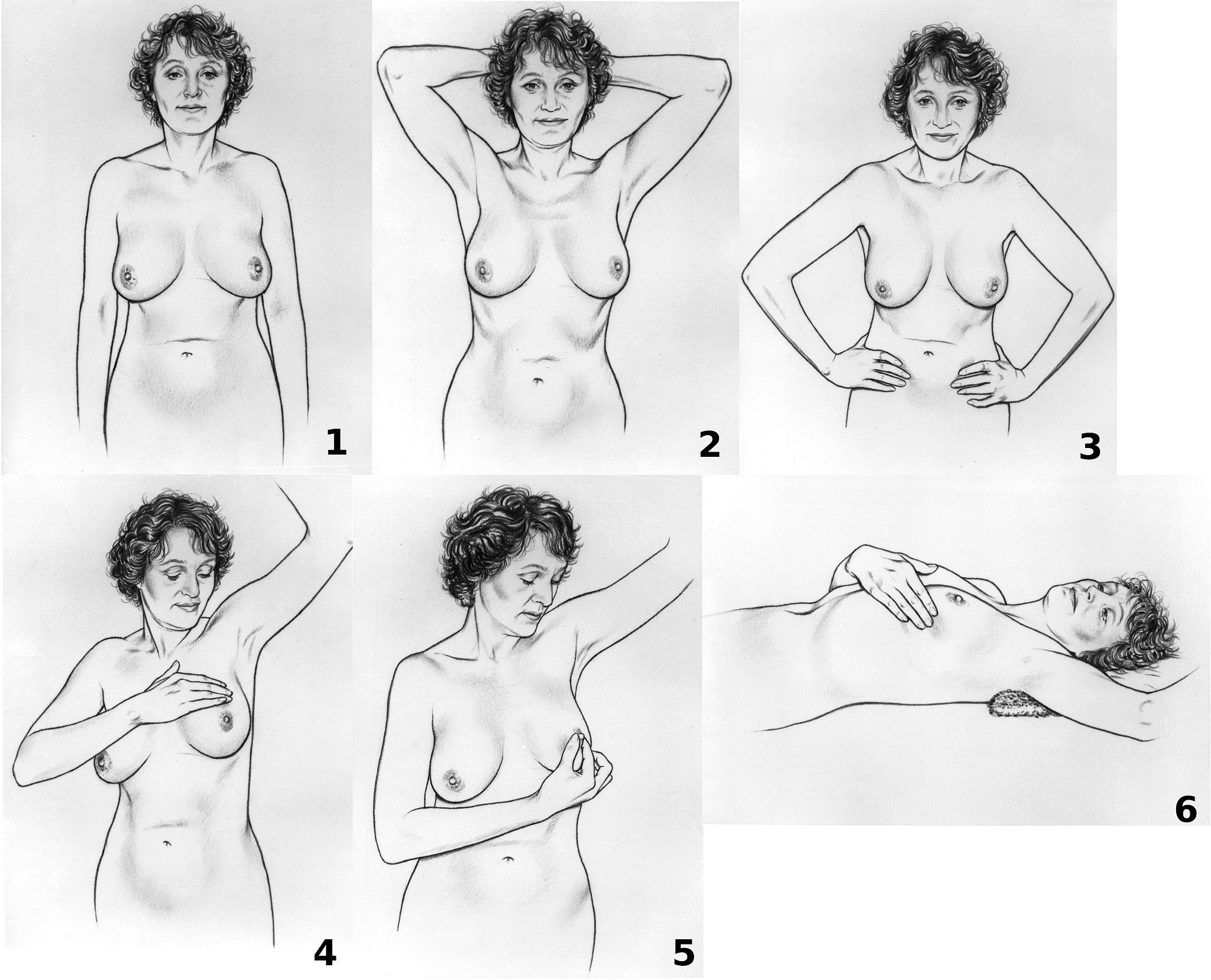
    The end of breast self-exams

    This is a story written base on reflections my initial year after diagnosis (2016), with added comments about what I’m thinking after my second diagnosis (2024).

    The feature image is from Wikimedia Commons.

    Like my stories? Please subscribe.

    Introduction

    Before my first diagnosis, I was obsessive about breast self-exams. Every time I showered, I would check, feeling each part carefully. It was just part of my routine—not because I had any family history of cancer, but because of a high school health class. The nurse had brought in these dummy breasts with a “lump” we were supposed to find. I remember how I could never feel it, no matter how hard I tried. That really stuck with me. I was afraid that when it mattered, I wouldn’t feel anything.

    I missed the lesson on looking for changes, not just lumps. Now I can tell you everything you should be looking for in a breast self-exam – changes, not lumps. However, only days after seeing initial changes, I felt a lump. I thought it was a muscle strain at first, but it didn’t hurt and it didn’t go away. It wasn’t a muscle strain, it was a 4.5cm tumour in my left breast. 

    ~~~~ 2016 ~~~~

    It has been a year since my diagnosis and treatment for bilateral breast cancer. I no longer have breasts. I have fat tissue that was transplanted from my stomach to make forms that look like breasts. The breast-self exams I did before don’t make sense anymore. I have no breast tissue. But I also have no sensation, which comes with new risks. 

    One of my new risks is the cold. I have body parts now—my reconstructed breasts, my belly—that I can’t feel. They’re living flesh, warm to the touch, but numb. I have to relearn what “normal” feels like, but also how to check myself to make sure I’m not getting frostbite.

    I’m still exploring what a breast self-exam means for me now. This was how I found my cancer. I used to check every time I showered, and I saw the change almost immediately—a lump, and a strange discharge. But now, I don’t have breasts with breast tissue. My nipples are still there, but they don’t leak anymore. They’re unfeeling and unresponsive, but they’re warm to the touch.

    I still examine my chest, but I’m looking for something else. No lumps—just damage. I’m scanning my skin for signs of anything that could have happened without me noticing, because I can’t feel it.

    Part of my new normal is this constant exploration of my changed body. I trace the areas with no feeling, trying to find the boundaries—where sensation fades from something to nothing. I want to see if these boundaries shift. I’ve been told there’s a chance I might regain some feeling, but nerves can take up to three years to grow back. For now, I’m grateful it’s not winter. I’ll have at least a year or two, maybe more, before I need to think about what snow and freezing temperatures mean for my body.

    ~~~~ 2024 ~~~~

    I am used to my body. My urge to inspect it so closely fades. I stop any form of breast exam in the winter. Now, it’s during the warmer months that I need to check. Instead of worrying about frostbite, I’m prone to heat rash, especially under my breasts. I don’t feel it when it starts; I only notice it later, after it’s become severe. By the time I see it, it needs days of treatment—creams and patience—to calm down. I can’t always tell if the creams are working; I just wait for the rash to fade.

    I stopped looking for cancer years ago. Then came a regional recurrence, in my lymph nodes. They found it on a scan. I couldn’t feel the swollen nodes, even with a 2.5 cm tumour growing in the largest of the five cancerous nodes. My family doctor also could not feel it. That experience stripped away any faith I had in self-exams to detect recurrence. The familiar routine I once had, washing and inspecting my new breasts, has fallen by the wayside, offering no comfort now. All I can rely on are blood tests and scans.

    My new normal feels like my old normal. After a shower, I give myself a quick glance in the mirror, just to check if anything looks wrong. That’s it. I don’t dwell on it. There’s nothing left for me to find. A self-exam in the shower isn’t going to catch cancer if it comes back. So, unconsciously, and now consciously, I’ve moved on from that practice.

  • Letrozole – so far so good

    Letrozole – so far so good

    Back in October, when my oncologist and I agreed I was done with Herceptin, we decided I wouldn’t do anything but let my body heal until January. That’s when I’d give Letrozole a try.

    Stopping Herceptin felt like a relief. For the longest time, I couldn’t distinguish which symptoms were caused by chemo, radiation, COVID, or Herceptin itself. They all blurred together. Eventually, I realized Herceptin was the culprit behind two days of fatigue and flu-like symptoms after every infusion. A week later, my heels would crack so deeply they hurt—a pain that even special creams and heel socks barely managed. My nails became brittle and splintered at the slightest touch, and the skin on my thumbs cracked along the seams of my fingerprints. I’d resort to using crazy glue to hold them together.

    Even after moving from three-week to four-week infusions, I was miserable half the time. I couldn’t imagine continuing until the end of the year.

    My oncologist, who I respect for this wizdom and experience, left the decision up to me. “If the cancer comes back, will you regret stopping early?” he asked. I didn’t even hesitate: “No.” I’ve learned not to regret decisions made with the best information at hand. When my scans came back clear, I stopped Herceptin and allowed my body the time it needed to recover.


    When January arrived, I approached Letrozole with caution. My oncologist reassured me not to dwell on my past experience with hormone therapy. Back then, I started too soon—driven by fear—and as a pre-menopausal woman, the effects were far more severe. This time, I’m post-menopausal, and we’re taking things slow.

    Starting from a different place makes all the difference. It has been not quite two weeks. The initial main side effect: intense back and hip pain. It feels manageable, though, especially with regular exercise like boxing or walking. If I skip a workout, the pain catches up with me, and I crash, needing a 1–2-hour nap every few days.

    But I’ve turned this challenge into motivation. The fear of a sore back pushes me to lace up my shoes and move. I’ve even upgraded my headset for boxing, and I’m having a blast with it!

    As time has passed, the side effects seem to have diminished. That or the regular boxing is doing my body good. Perhaps both are true!

  • First day of class – A time of transition

    First day of class – A time of transition

    Today is the first day of classes. I’ve been off for a year and I feel quite rusty. In addition to the changes in instructional design, the university has also changed its Learning Management System (the software we use to deliver our online courses). This adds to the transition.

    It is also a time of transition for me from a health perspective. I’m not quite finished my treatments but I will be soon. I have 3 more herceptin treatments. I’m starting to think about what is next. I am reminded about all the mental stressors I had after my first diagnosis. The year after treatment was the hardest for me, because I had to really process my diagnosis, not just from a cognitive perspective but also from an emotional one. That is where I am now.

    I’m feeling strong again. In the couple of weeks I’ve done a couple of 3 hour hikes, and I’ve gotten back into VR boxing. I feel strong and that feels good. But my mind is doing its wondering. I ask myself regularly, am I doing what I want to be doing? Am I making the most of the day?

    The weather is also playing a role. We are changing seasons. Fall is a nice time here, but it is also a reminder that winter is coming. As summer ends, there is a greater urgency to get outside and enjoy the sun when we have it. That pulls against any other desires I have for my time. I feel guilty when I spend a sunny day inside. I feel like I’m missing an opportunity that is finite.

    Perhaps it is the finite that I am feeling. I remember about a week before my mom died, I had the realization that ‘mom hugs’ were finite. When I got up, I went to her and asked for a hug. That was the last mom hug I had. I’m glad that I thought about it and asked for it. Now I’m thinking about my life as finite. There are a finite number of sunny days left, and I should make the most of them.

    What does it mean to make the most of a sunny day? I can tell you what it doesn’t mean. It doesn’t mean spending the whole day in front of my computer working on my book or my podcast. Ensuring that my courses are running smoothly is my priority. After that, it is time to get out and enjoy the sunny end of summer days.

  • A long overdue post

    A long overdue post

    It has been so long since I’ve written, I don’t really know where to start.

    Health-wise, I’m doing okay—or at least I haven’t had any new health crises. I’m writing this from Stan Fest. Last year, we found out 20 minutes before we left for Stan Fest that I had cancer. It was good to have the weekend to process it all. I remember one specific moment telling Scott that I didn’t want to do chemo again. I won’t be foreshadowing anything treatment-wise this year!

    I managed to get my Herceptin treatment scheduled for last week. I get treatment on a Wednesday, and then end up spending most of Friday and Saturday in bed. It causes exhaustion. I guess my immune system is in overdrive for those days, reacting to the medications. Usually, by Sunday, I’m feeling better, and by Monday, I’m back to my normal self. I’ve moved to treatment every four weeks, which I hope helps reduce the side effects. That has yet to be determined, but it will at least reduce the frequency of the side effects, giving me more ‘normal’ weeks in between.

    We have been off on a mini vacation—our last planned one for the summer—but we still have another folk festival to attend! We had a lovely time at Porter’s Lake Provincial Park. Then, on the way to Canso, we stopped off at Taylor Head Provincial Park and went for a lovely 4 km hike, followed by a frigid dip in the ocean—beautiful beach, but the water has yet to warm up!

    I find the oceans here fascinating. They call Nova Scotia Canada’s Ocean Playground. Each shore, and Cape Breton, has very different oceans. On the South Shore, we have beautiful sand beaches at low tide. They warm up sometime in August, to the point where you can swim in them comfortably. The French coast has the Bay of Fundy. It isn’t a place to swim so much as watch the tides and walk on the bottom of the ocean. It is difficult to imagine 40 ft tides until you see them! We had a brief walk on the North Shore earlier this summer. It is rockier. The water was warmer but not yet swimmable (that was early July). We swam in Bras D’or, which is a brackish lake in the middle of Cape Breton. The North shore of Cape Breton has some beautiful sand beaches, and the water there was surprisingly warm. I really enjoyed my swim there. And now we are on the East Shore, which has some nice beaches closer to Halifax and gets rocky up here. The water was still frigid. I suspect it warms up at about the same time as the South Shore, as it is the same side of Nova Scotia.

    Last year at Stan Fest, it was a real rain fest. That was the weekend that Bridgewater had 48 hours of thunder and lightning and over 100mm of rain. It caused a lot of damage throughout the province, but our area had it the worst. It seems the rainstorms and flooding are causing more damage in some parts of Nova Scotia than even the hurricanes do. One of our friends in Cape Breton mentioned the rains causing more shore erosion than the storms. That is crazy.

    This year’s Stan Fest has been awesome. The weather could not be more perfect. It is low 20s during the day, comfortable for shorts and a t-shirt. The venues are covered, so we aren’t in the sun, which is nice. In the evening, at the main stage, it is nice but it gets cold. Neither of us were adequately prepared for that the first night. We did much better last night, but after two long days and then cold, we were both ready to pack it in early last night. Hubby has already suggested we go again next year. We looked into other folk festivals, thinking we would branch out, but there isn’t really anything else we want to do at this time of year.

    Today we are enjoying a lazy morning. The first workshop I want to attend is at 11 am. It is the best kind of morning when we don’t need to move too quickly and can enjoy a coffee and some reading or writing before having to get up and join the world.

  • Navigating the Side Effects of Trastuzumab: Finding Balance and Embracing Summer

    Navigating the Side Effects of Trastuzumab: Finding Balance and Embracing Summer

    I’m more than half way through my Trastuzumab (Herceptin) treatments – I’ve actually lost count. I think I might be 10 out of 18. Anyways, I realize that I’m have side effects from it. It is causing fatigue and making my joints ache. The side effects last just shy of a week and then I’m generally fine until the next time.

    I was told that there would likely be “no side effects”. I think this is said because the side effects are minor compared to the chemotherapy. If you don’t lose your hair, have nausea, or mouth sores, then the side effects don’t seem to matter – except that they do.

    I got tired of the side effects every three weeks. I asked my doctor to change the schedule to every four weeks – at least for the summer. I am hoping the longer time between infusions reduces the side effects as my body has more time to heal. It also makes my travel plans work out a lot better. It gives me a week at home after each treatment, so I can enjoy my travels without the fatigue and joint pain.

    After my last infusion – on a Wednesday at 2pm – I ended up sleeping most of the following day. I got up and had half a cup of coffee and realized I was too tired to do anything, so I went back to bed. I didn’t wake up until 12:30 when my phone was ringing. I went through ‘bouts of energy followed by hits of fatigue. It is frustrating.

    I am not out of shape, which is good. When I’m feeling well I can swim 1km and I biked 17km on my recumbent the other day.

    With the heat, the summer has started here. For me, I think summer will officially start on Monday evening when we fly to Iceland.

    Some things I’m hoping to do this summer:

    • Ride my recumbent to Mahone Bay and back (around 50km). I’ve done it on my eBike, but that is very different and a lot less work!
    • Stand up paddle board at least 10 times.
    • Swim in the Ocean (really swim, not just wade).
    • Boogie board – I’ll need to borrow one.
    • Do a 15km or longer hike (this is a stretch goal).

    Things that I already have planned:

    • Drive around and explore Iceland.
    • Visit Cape Breton (hike and visit friends).
    • StanFest
    • Folk Harbour Fest

    Oh ya, and I need to prepare my courses for the fall, as I’ll be teaching again – but in a new Learning Management System and AI has definitely affected on of my courses!

    What special things do you have planned for the summer? What is on your bucket list?

  • Sunshine and Sunflowers

    Sunshine and Sunflowers

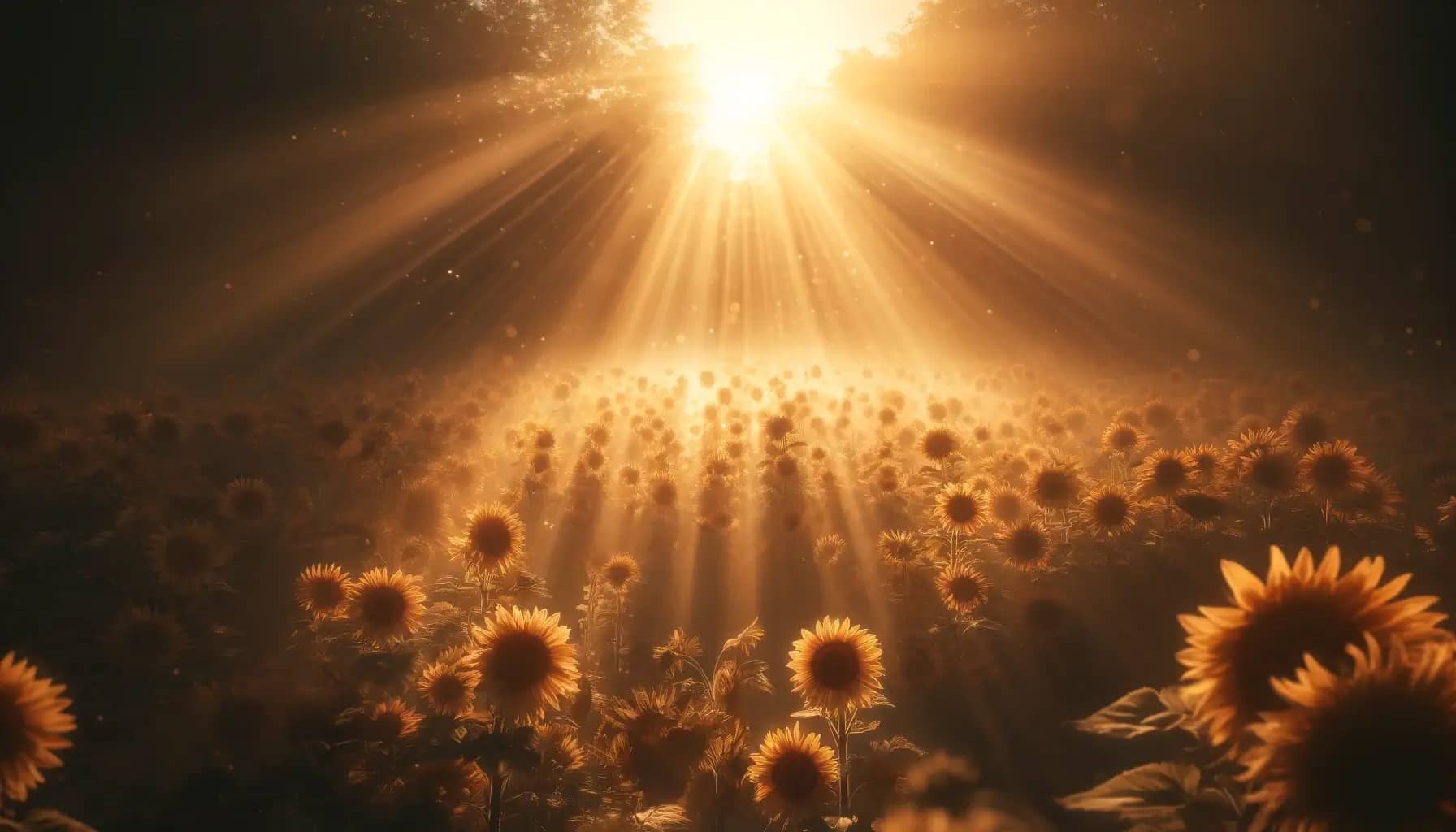
    Lori was sunflowers.

    Lilani was sunshine.

    Will the sun shine again?


    I wrote this poem during a writing workshop. The prompt was “Sunshine feels like …”

    Immediately sunshine reminded me of Lilani. A ray of light.

    Then I thought of Lori, and how her favourite buff and compression sleeves are contain sunflowers.

    I miss them both. They were lights in this world.

  • Rediscovering joy

    Rediscovering joy

    Cancer treatment is a gift that just keeps on giving … more like an anti-gift keeps on giving.

    My latest issue is radiation fibrosis. The area of my collarbone and underarm that was radiated is now tight. I asked a friend who is a physiotherapist about it – she explained it as scar tissue like you get after a severe burn. So I imagine the interior tissue in the areas that were radiated are now scarred causing tightness. To help fix it, I need to do stretches multiple times a day. When I asked my cancer friends about it, I learned that it might never go away. I hate hearing that, and like the lymphedema in my right hand/arm, I’m not going to accept that it might not go away.

    I’ve been back from California for a week. I’ve recovered from jet lag and my body is generally feeling good – or it was until I over did it a little. Monday I went for a 3km walk on the beach and then did 30 minutes of virtual boxing. Tuesday I went to an exercise class called ‘Feel da rhythm’ that is like an aerobics class but a lot more fun, but also a great work out. I followed that with a half hour of swimming. By Tuesday night I was exhausted.

    The thing is, each one of those activities brings me joy. It isn’t just about the physical exercise, it is also about the joy in doing the thing.

    Today is a bit of a rest day from physical stuff. Now that my office is setup (yay), I’m spending more time on my computer doing computer stuff – like writing and preparing to restart my podcast. I really like having my office space back. In some ways, it is the only room I feel isn’t in a sense of chaos.

    Today is also chemo day. Infusion number 10 of 18. I’m still a little bummed that I have so many infusions left. However, it isn’t really that big of deal – more of an inconvenience than anything else. Tomorrow will likely also be more of a computer day – because the treatment makes my joints ache a little more than they usually do.

    One of the things I’m doing for my mental health is taking a writing workshop. I find the process of writing to the various prompts very therapeutic, and it really helps me think through how I’m feeling on a given topic. Here is a snippet from something I wrote today. The bold is the prompt.

    Write about the world restarting, being reborn completely anew…

    Spring is a season of rebirth – I was thinking that on my walk this morning. Christmas is the story of birth, but Easter is the story of re-birth.

    What is my story of re-birth – I’m in that story now. How do I re-imagine myself? Who am I now …

    Cancer again has meant yet another chance at re-birth – of rediscovering who I am and who I want to be. I’m asking myself again what I want to do with the rest of my life.

    My first cancer diagnosis taught me to look at each day and ask myself constantly, am I doing what I want to be doing? The answer has generally been yes.

    My second diagnosis has reminded me to look at my life all over again. Am I doing what I want to be doing – mostly yes – but more, am I getting what I need from what I’m doing?

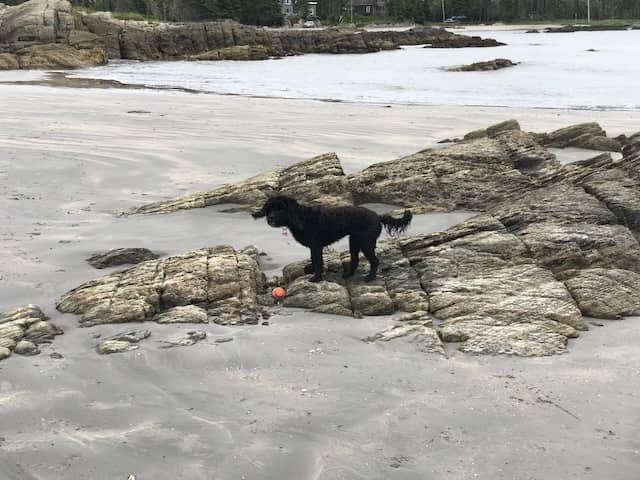
    I am looking at happiness and joy – and what it means to me now. I am happy when I watch my dog chase after a ball at the beach. She is exuding pure joy at the simple pleasure of the game of fetch.

    What can I do to exude that same sense of pure joy? What brings that to me? That is what I am exploring – that is the question that I have not yet found an answer to.

css.php